
The Old Oak Tree: A Symbol of Endurance and Connection
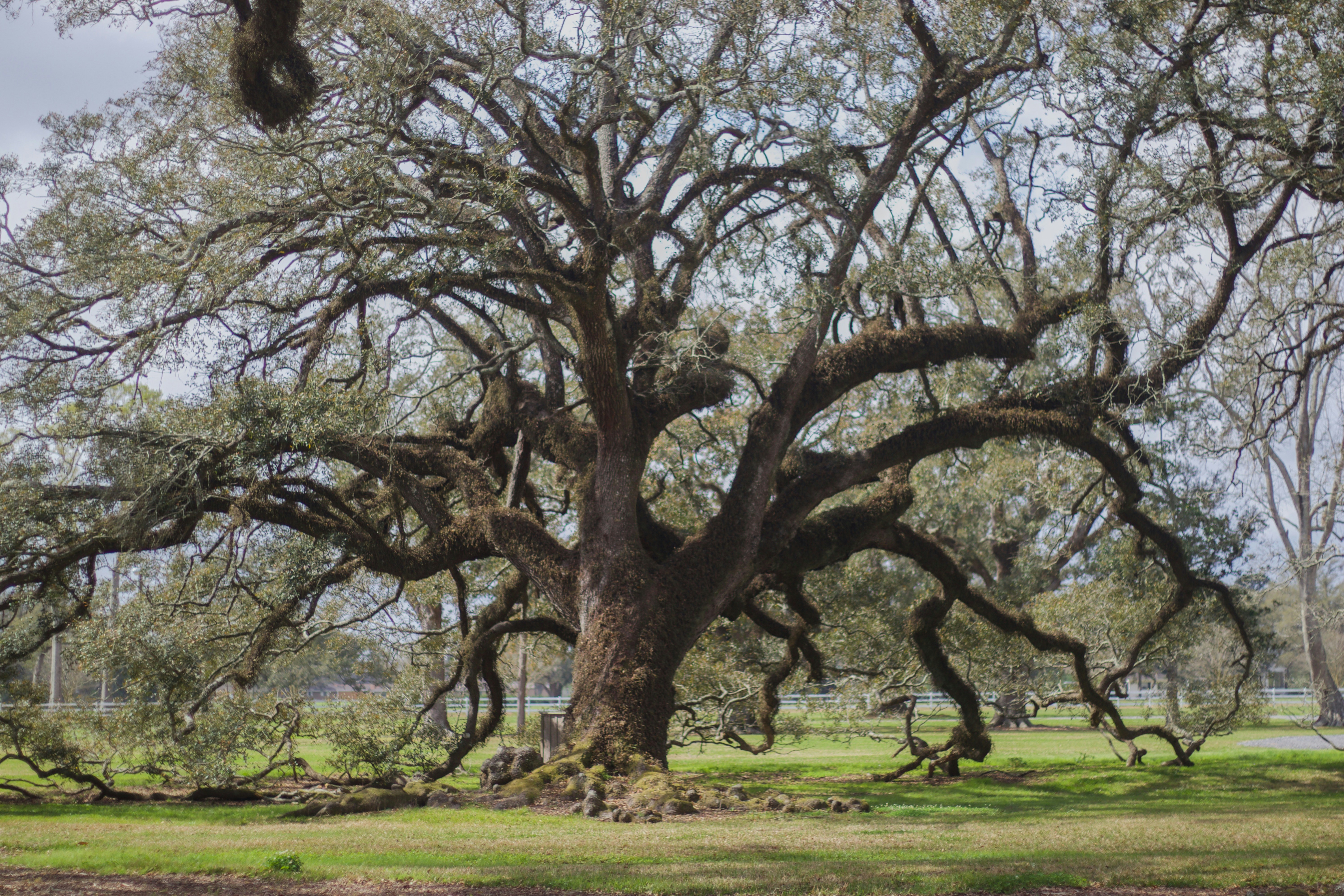
The old oak tree stands as a remarkable testament to history and resilience, its sturdy trunk and sprawling branches providing a backdrop for countless moments shared by generations. This majestic tree, with its gnarled bark and vibrant foliage, offers a sanctuary where memories are woven into its very essence. Known for its longevity, the oak has withstood the test of time, witnessing the growth and transformation of the lives intertwined with its presence.
Historically, oak trees have been associated with strength and durability, often serving as symbols in folklore and mythology. Its remarkable stature makes the old oak not just a natural marvel but also a pivotal character in the narrative. The tree’s grandeur captivates all who encounter it, and its expansive canopy provides shade on warm days, creating an inviting space for contemplation and connection. It is under this wide-reaching canopy that promises are exchanged, decisions are made, and dreams are born.
For the characters in the story, the old oak tree serves as a grounding point, a silent witness to the myriad emotions experienced beneath its boughs. Generations have gathered around its base, sharing stories, laughter, and sometimes sorrow. Each promise made under its branches carries with it the weight of hopes and aspirations, etched into the hearts of those who stand beneath its protective embrace. As they navigate the challenges of life, the tree stands as a reminder of commitment, echoing the vows made in moments of clarity and love. Its significance transcends a mere location; it becomes a vital participant in their journeys, representing both refuge and promise.
The Characters: Who They Are and Their Connection to the Oak
In “A Promise Made Under the Old Oak Tree,” the narrative revolves around a diverse set of characters, each carrying their own burdens, dreams, and aspirations. Central to the story is Eleanor, a middle-aged woman who frequently grapples with her past decisions. She views the old oak tree as a symbol of resilience and permanence, a stark contrast to her own life, which feels marked by transient moments and fleeting relationships. Eleanor’s bond with the tree transcends mere nostalgia; it embodies her desire to find stability and solace in an ever-changing world.
Alongside Eleanor is Jacob, a young man in search of his identity. The oak is his refuge, a sacred space where he acknowledges his feelings of longing and uncertainty. As a child, Jacob played under the oak’s expansive branches, and it remains a cherished locale where he wishes to reconnect with his roots. The tree symbolizes his childhood innocence and the simplicity of youth, which he feels slipping away as he transitions into adulthood. His emotional state is intertwined with the oak, signifying growth yet also a struggle with letting go of the past.
Another key character is Margaret, a wise elder of the community, who serves as the moral compass in the tale. Margaret often organizes gatherings under the oak, fostering connections among the various townsfolk. She views the tree not simply as a natural entity but as a vessel for communal bonds. Her interactions with Eleanor and Jacob reveal how the old oak serves as a meeting point, allowing disparate lives to converge. Through her guidance, we learn that the tree’s branches represent the intertwined paths of their lives, illuminating their connections and shared experiences.
Together, these characters illustrate the profound impact of the oak tree as a symbol of hope, continuity, and the human experience. The old oak stands as a witness to their stories, offering support and space for the exploration of complex emotions—including love, regret, and the shared journey towards understanding their true selves.
The Day of the Promise: Setting the Scene
On an unseasonably warm autumn day, the sun cast a golden hue across the landscape, illuminating the sprawling emerald leaves of the ancient oak tree. The fragrant scent of damp earth and fallen leaves lingered in the air, a reminder of the recent rain that had nourished the soil and brought vibrant colors to life. A gentle breeze danced through the branches, whispering secrets and harmonizing with the distant laughter of children playing nearby. This enchanting atmosphere provided the perfect backdrop for the momentous occasion that was about to unfold under the venerable oak.
The sky was a sharp blue, dotted with cotton-like clouds that lazily floated by, heralding the optimism that filled the air. As the sun dipped lower, casting lengthening shadows, anticipation surged within the hearts of those present. Each participant, young and old, could feel the love and connection that tied them to one another, reverberating throughout the gathering. The promise was not merely a vow; it symbolized the hopes and dreams held by those who stood beneath the sprawling canopy.
Emotions ran high as laughter morphed into moments of reflective silence. Friends and family exchanged knowing glances, aware that they were witnesses to a defining moment in the lives of the promise-makers. Their motivations stemmed from deep connections, ensuring that the promise held a sense of profound significance. It transcended the act itself, becoming a heartfelt pledge intertwined with the dreams of the future and the lessons learned from the past.
As the sun dipped beyond the horizon, the fading light and cool night air enveloped the gathering, creating a yet another layer of emotional resonance. This day, marked by rich sensory experiences and profound connections, truly encapsulated the essence of the promise made under the old oak tree.
The Promise: What Was Spoken and Its Significance
The promise made under the old oak tree serves as a poignant moment in the narrative, encapsulating the complexities of human emotions and relationships. It is not merely a verbal commitment but a manifestation of hope, vulnerability, and the unvoiced fears that linger beneath the surface. The characters, faced with uncertainty, utilize the promise as a beacon of reassurance, reflecting their desires for connection and stability in an unpredictable world.
As the words were chosen carefully, each syllable carried a heavy significance. The promise, characterized by terms invoking loyalty and faith, binds the characters together while also foreshadowing potential conflicts that may arise from such expectations. It serves as a double-edged sword; on one hand, it fosters a sense of security, while on the other, the burden of fulfillment looms, potentially leading to disappointment should circumstances evolve differently than anticipated.
The setting of the promise, beneath the ancient oak, further enriches its symbolism. The oak tree, a testament to resilience and longevity, mirrors the characters’ aspirations for their relationship. This backdrop of nature anchors their commitment in something larger than themselves, evoking a sense of timelessness that suggests their promise may withstand the trials of time. However, this deep-rooted connection also highlights the weight of expectation that accompanies such commitments; as nature endures, so too must the characters strive to uphold their vow amidst life’s inevitable challenges.
In this light, the promise becomes more than an expression of intent; it transforms into a pivotal element of the narrative, shaping the characters’ interactions in the present and setting the trajectory for their future. The significance of this commitment cannot be overstated, for it offers a lens through which the audience can examine the underlying themes of trust, loyalty, and the human condition itself.
The Challenges: How Life Changes After the Promise
When a promise is made under the old oak tree, it can symbolize hope and commitment, yet the reality of fulfilling that promise often brings forth a multitude of challenges. As life unfolds, the characters soon discover that external circumstances and personal growth can significantly impact their ability to uphold their vows. These challenges serve as pivotal moments that test their resolve and commitment.
One of the primary obstacles the characters face is the changing dynamics in their lives. As they grow older, their responsibilities expand, introducing time management difficulties that threaten to overshadow the importance of the promise. For instance, career advancements or family obligations may divert their focus, making it increasingly challenging to prioritize their original commitment. This can lead to feelings of guilt and the perception that they are letting each other down, heightening the emotional stakes of their promise.
Moreover, personal growth can alter perspectives and expectations. As individuals evolve, they might find that their aspirations and desires have shifted from what they envisioned at the moment of the promise. This transformation can create tensions as they navigate the complexities of their evolving identities. The once-shared dreams may no longer align, resulting in conflicts that require open communication and understanding to resolve. It is through these discussions that they can reaffirm their commitment to each other and the promise made, even if the path ahead is uncertain.
Additionally, unforeseen external circumstances can complicate matters further. Life is unpredictable, and challenges such as financial difficulties or health issues can impose significant barriers. These factors often test their dedication, necessitating resilience and adaptability. It is through confronting these difficulties that true character is revealed, often strengthening their bond as they work together to overcome the hurdles life places in their way.
Reflections by the Old Oak Tree: A Symbol of Time and Change
The old oak tree stands as a steadfast sentinel, its gnarled branches reaching towards the sky, bearing witness to the ebb and flow of life that unfolds beneath its expansive canopy. Its presence serves not just as a backdrop, but as a symbolic embodiment of endurance and resilience. The rugged bark, worn yet vibrant, narrates stories of the characters’ lives, intertwining with their promises, fears, and aspirations, making it a living chronicle of their collective journeys.
As the seasons change, the old oak tree reflects the transformations experienced by those who seek solace and connection beneath its limbs. In the spring, its budding leaves signify new beginnings and the blossoming of hope, much like the characters’ youthful dreams when they first made their vows. Summer brings forth a fullness, a testament to growth as relationships deepen and evolve under the generous shade of the tree. The warm, golden light filtering through the leaves creates a serene atmosphere, nourishing the bonds that have been formed over time.
However, autumn introduces a period of introspection, where the vibrant foliage begins to fade, heralding change and the inevitability of time. The dropping leaves serve as poignant reminders that life is a cycle; promises forged in innocence may face trials and tribulations as the years go by. The old oak tree, with its deep roots, stands firm against the storms, epitomizing the notion that while promises may weather challenges, they also mature into deeper commitments.
Even in winter, when the tree appears barren and stark, it holds the wisdom of the past. It symbolizes the notion that beneath the surface, life continues to pulse—reminding the characters that enduring promises possess an intrinsic strength, allowing hope to flourish even in the most desolate of seasons. The old oak tree ultimately encapsulates the essence of growth amidst change, urging all who pause beneath its branches to reflect on their own journeys and the promises they carry.
Revisiting the Promise: The Moment of Reckoning
The old oak tree stood as a silent witness, its gnarled branches reaching skyward, almost as if beckoning the characters to return. Years had passed since they last gathered at this site, a place imbued with memories and a promise that had shaped their lives. The moment they approached the tree, a palpable tension hung in the air, as each individual reflected on their choices and the commitments made in their youth. Each footstep toward the tree evoked a mixture of nostalgia and regret, as shades of their past selves flickered in their minds.
The promise, once a binding oath filled with hope and youthful dreams, now lingered heavily, overshadowed by the realities of adulthood. Each character carried the weight of their decisions, with paths that diverged far from the unity that had once defined them. The initial commitment—a pledge to support one another, to chase aspirations together—felt distant and fragile compared to the burdens of their current lives. As they gathered beneath the oak’s sprawling branches, the stark contrast between their past intentions and present circumstances bore down upon them, creating an emotional burden that was hard to shake off.
In that moment of reckoning, the characters confronted not only the promise itself but also the impact of their choices over the years. Some had succeeded beyond their imagination, while others faced personal failures that came with a heavy heart. This confrontation became a moment not just of nostalgia, but of assessment, as they weighed their achievements against the aspirations they had once shared. The old oak tree, with its long-standing roots, seemingly held the echoes of their laughter and dreams, a reminder of a commitment that had once seemed attainable. In pulling them back to this crucial junction, the tree invited them to ponder what their promise truly meant in the context of their evolving lives.
Resolution: The Outcome of the Promise
The resolution of the promise made under the old oak tree unfolds with a profound sense of anticipation and emotional intensity. As the characters journey through their internal conflicts and external realities, they find themselves facing the ramifications of their commitment. The promise, once a beacon of hope and aspiration, now becomes a pivotal point of reflection that shapes their destinies.
Initially, the fulfillment of the promise brings a complex range of emotions, transcending mere joy. The characters experience relief and a significant sense of accomplishment, but this is often accompanied by guilt or regret. These conflicting feelings stem from the sacrifices made along the way and the impact of their choices on others. Each character’s response is deeply personal; while some embrace the outcome, others wrestle with their conscience, illustrating the delicate balance between intention and reality.
Moreover, the promise’s transformation also warrants attention. In some instances, what had been envisioned as a simple commitment evolves into something far grander or unexpectedly different, highlighting the theme of growth and change. The characters learn that the path to fulfilling a promise is not always linear; it often involves reevaluation of dreams, capacities, and even relationships. With each character coming to terms with their circumstances, the promise serves as a catalyst for personal development, leading them towards profound realizations about themselves and their interconnectedness with others.
Ultimately, the resolution offers a moment of closure, allowing the characters to forge ahead with newfound wisdom. Their experiences embody the complexities of human relationships and the consequences of promises, leaving an indelible mark that shapes their futures. The outcome of the promise encapsulates the essence of their journey, illustrating that the act of making a promise often reveals more than the promise itself.
Lessons Learned: The Impact of Promises on Relationships
Promises play a pivotal role in shaping the dynamics of human relationships. They serve as the foundations of trust and commitment, elements essential for nurturing strong emotional bonds. In the narrative centered around the Old Oak Tree, the characters’ experiences illustrate how promises can either fortify or fracture relationships, depending on their fulfillment or betrayal. This duality of promises underscores their significance in interpersonal interactions.
When a promise is made, it carries the weight of expectation and hope. It signifies a commitment to another person, creating a sense of reliability that fosters trust. Trust is crucial in any relationship; it enables individuals to open up and share their vulnerabilities. In this context, the characters at the Old Oak Tree learned that broken promises lead to disappointment and a decline in relationship satisfaction. Conversely, when promises are honored, they cultivate deepened connections and reinforce the emotional ties between individuals.
The act of making a promise often requires a deep understanding of one’s own ability to deliver. This self-awareness is vital as it connects directly to one’s integrity and accountability. In our story, characters who made promises without the intention or capability to keep them experienced significant turmoil in their relationships. They faced not only the disappointment of others but also an internal conflict regarding their self-worth and integrity.
Moreover, the narrative suggests that the impact of promises extends beyond the individual level. Promises can influence the broader community or social circle by setting examples of commitment and reliability. When individuals uphold their word, they inspire trust and foster an environment where others feel encouraged to do the same. Thus, through the lessons learned under the old oak tree, readers can appreciate the profound influence promises have on relationships and the importance of nurturing that bond with sincerity and dedication.