
Introduction to the Mystery
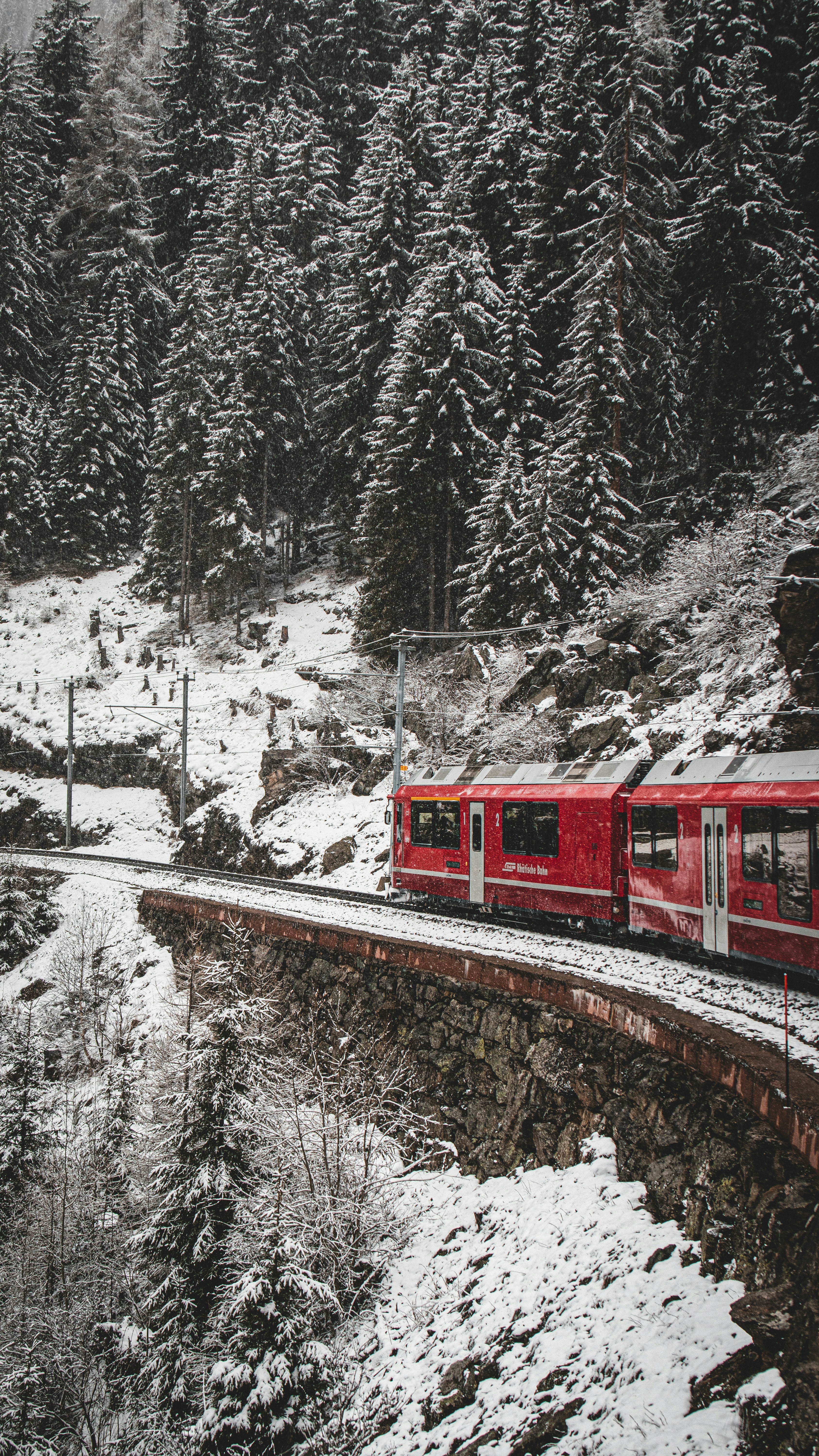
The legend of a train that never stopped has circulated through towns and villages, capturing the imaginations of many. This intriguing narrative transcends mere folklore; it speaks to our human fascination with the unknown and the allure of an endless journey. The train, described by various townsfolk, is often depicted as a ghostly apparition, a symbol of unceasing motion that eludes capture and understanding. Its existence raises profound questions about time, travel, and the essence of a life that is constantly in motion.
For the residents of the town, the train comes to embody both dread and enchantment. Many recall nights spent listening to its distant whistle, a haunting echo that stirs both nostalgia and fear. The train, they say, seems to glide past their lives, never slowing down, never stopping to allow anyone aboard. This relentless pace captivates the townsfolk, prompting them to wonder what secrets lie within its cars, what stories have been woven into the fabric of its journey. As the tales evolve, embellishments emerge, intertwining reality with imagination and altering the nature of the original story.
The origins of this mysterious train remain shrouded in uncertainty. Some opine that it was once a traditional commuter line, now lost to time, while others suggest it may have connections to lost souls yearning for reunion or redemption. As townsfolk share their interpretations, the narrative expands to include themes of adventure, longing, and the eternal quest for purpose. In exploring this compelling mystery, we delve into the significance of a train that never stops, examining how it reflects our own unending journeys through life and the power of legends to shape our perceptions of reality.
The Legend of the Timeless Locomotive
The timeless locomotive, often referred to as the “Eternal Express,” has garnered a unique place in local folklore, captivating the hearts and minds of community members for generations. The origins of this legendary train can be traced back to the late 19th century, when rail travel revolutionized transportation. It is said that the train was engineered to transcend not just distance, but also the constraints of time itself. Tales circulated among the older generation claim that it could vanish into thin air, only to reappear at unexpected times, traversing not only the physical realm but also the metaphysical.
According to local lore, the train possesses magical qualities that endear it to the community. Elders recount stories of loved ones who boarded the Eternal Express, embarking on journeys that defy explanation. Some suggest that these travelers experience moments and memories lost to time, returning with insights that only the locomotive can unlock. The train has become a symbol of hope, inspiring narratives of reunion with ancestors and cherished moments from the past, revered in family gatherings and community celebrations.
Furthermore, the Eternal Express is intertwined with the cultural fabric of this community. Festivals are held annually in its honor, with music and storytelling that pay homage to the locomotive. Participants dress in vintage attire reminiscent of the train’s heyday, connecting current generations with their rich heritage. Artisans create unique odes to the train, crafting artifacts and narratives that perpetuate its mythos. This shared history ultimately transforms the train into more than just a means of transportation; it morphs into a vital part of the collective identity of the community, cementing its status as a timeless legend that will be celebrated for generations to come.
Firsthand Experiences: Eyewitness Accounts
The relentless rumble of the train that never stops has evoked a myriad of emotions among those fortunate—or unfortunate—enough to witness its passing. Many recount chilling encounters that blur the lines between reality and the supernatural. One individual, a retired railway worker named James, shares an encounter that has haunted him for years. While hiking near an abandoned railway line, he heard the unmistakable sound of a train approaching. To his astonishment, it was on tracks long thought to be disused. “I looked up and saw the glowing lights. It felt surreal, like I was watching a ghost train,” he recalls, still shaken by the experience decades later.
Similarly, Melissa, a local historian, reflects on her research into the lore surrounding the train. During one of her nocturnal explorations, she experienced something extraordinary. “The air grew dense, and I felt a wave of unease wash over me. Suddenly, the train appeared—no sound, no warning, just a flash of light and then it was gone,” she narrates, her voice tinged with awe. For her, the encounter transcends mere curiosity; it has become a pivotal moment in her life, driving her to seek answers about the mysteries of the train.
These narratives illustrate the profound impact that witnessing the train can have on an individual. For many, it is not only a ghostly apparition but a catalyst for introspection. People’s thoughts often gravitate towards themes of loss, nostalgia, and unresolved dreams when faced with this relentless apparition. The emotional resonance of these trains goes beyond simple fright, transforming into a canvas onto which onlookers project their inner conflicts and desires. The connection to the elusive train serves as a reminder of the unending journey within each person’s life, leaving watchers in contemplation long after they have returned to their everyday routines.
The Science Behind the Myth
The notion of a train that never stops is a fascinating concept that invites scrutiny from both scientific and folkloric perspectives. This phenomenon, while seemingly mythical, can be examined through various scientific principles, including time dilation and perception as per contemporary physics. Time dilation, a consequence of Albert Einstein’s theory of relativity, refers to the effect where time can appear to pass at different rates in different frames of reference. If a train were to travel at speeds approaching that of light, the passengers might experience time at a different pace compared to observers outside the train. Hence, the “never-stopping” aspect could metaphorically represent an altered perception of time during high-speed travel.
Moreover, this train myth intersects intriguingly with concepts from psychology. Perception of reality plays a crucial role in how we interpret experiences. If individuals aboard the train perceive their journey as ceaseless, potentially influenced by environmental factors and the linear nature of train travel, it raises questions about the boundaries of human experience. Are we prisoners of our perceptions, creating an endless journey in our minds while physically bound by the laws of nature?
Folklore often captures the essence of human fears and aspirations, and this never-stopping train can symbolize the relentless nature of life and progress. In this context, the train’s journey can be seen as a metaphor for humanity’s quest for knowledge, exploration, and connection. The intersection of science and folklore enhances the mystery, allowing the tale of the endless train to endure in popular imagination. By blending scientific theories with elements of myth, we create a richer narrative that acknowledges the power of human creativity and the quest for understanding within the vast cosmos.
The Train’s Impact on the Community
The legendary train that has gained notoriety for its relentless journey has significantly affected the surrounding community, both culturally and economically. This peculiar phenomenon has not only captured the imagination of locals but also has become a focal point for cultural expressions and artistic endeavors. Artists and musicians often find inspiration in the stories surrounding the train, creating murals, songs, and literature that echo the train’s journey and the emotions tied to it. This wealth of creativity fosters a sense of pride among community members, as they engage in conversations about their unique asset that symbolizes resilience and continuity.
Economically, the train has acted as a catalyst for tourism, attracting visitors from distant locations eager to experience the allure of the infinite journey. Local businesses have flourished as a direct result of this influx; restaurants, souvenir shops, and galleries have seen increased patronage, contributing to the overall economic vitality of the area. The community hosts events and festivals linked to the train, inviting tourists to partake in guided tours, storytelling sessions, and exhibits that delve into the train’s history, further invigorating local commerce.
The train’s legend has also sparked curiosity among academics and historians, adding an additional layer of interest to the region. Research and inquiry into the train’s origins and enduring nature have invited scholars to engage with the community, fostering a spirit of collaboration and knowledge-sharing that enriches local culture. Moreover, the train has become a symbol of community identity, inspiring local pride and a collective narrative that unites residents. This shared story emphasizes the significance of the train not merely as a transport mechanism, but as an essential thread woven into the fabric of the community’s social and cultural identity.
Exploring the Train’s Journey
The never-ending journey of the train is not merely a series of stops and starts; it embodies a tapestry of landscapes, towns, and myriad encounters. As the train glides along its tracks, it traverses through breathtaking sceneries that change with every passing moment. Picture lush green valleys kissed by the morning sun, where wildflowers bloom in a riot of colors, and expansive fields stretch as far as the eye can see. These picturesque vistas provide a backdrop that tells the story of nature’s beauty, captivating passengers with each sight.
Along its path, the train connects a multitude of towns, each with its distinctive character and charm. From bustling cities where urban life pulses loudly, filled with honking cars and lively markets, to quaint villages that seem untouched by time, the train serves as a bridge linking diverse communities. In these towns, vibrant local cultures are ever-present, manifesting in delicious aromas wafting from street vendors offering local delicacies, artistic murals splashed on walls, and the rhythmic sounds of musicians performing on street corners.
The interactions among the passengers augment the fabric of this continuous journey. People from different walks of life share fleeting moments aboard the train, each with unique stories and backgrounds. Within the confines of the train, conversations flourish, laughter echoes, and new friendships blossom. A chance meeting between travelers can lead to an enlightening exchange of experiences, bringing together individuals from distinct cultures who may never cross paths again. Each shared glance across the aisle or kind word exchanged contributes to the unity that emerges from diversity.
As the train continues its relentless pursuit along the tracks, the surroundings evolve, painting an ever-changing portrait of life that encapsulates the essence of the endless journey—a journey that is ceaseless, yet rich in connections, experiences, and breathtaking sights.
The Train as a Metaphor
The image of a train that never stops can be interpreted as a profound metaphor for the journey of life. In this metaphorical landscape, the train represents the continuous movement of time and the inevitable progression of our experiences. Just as a train travels along an unyielding track, so too does life advance, with each moment rushing forward, leaving the past behind. This relentless movement compels us to confront the nature of our existence, beckoning us to consider how we navigate the journey from birth to death.
The concept of a train in perpetual motion also invites reflection on the idea of personal growth. Each stop along the way symbolizes critical events that shape our identity, yet the train never halts long enough for us to linger in comfort or despair. In this sense, the metaphor underscores the transient nature of life’s milestones, whether they be achievements, relationships, or losses. The importance lies not only in reaching destinations but also in embracing each segment of the journey, understanding that every experience contributes to the larger narrative of our lives.
Conversely, this metaphor poses the question of stillness. In a world that pushes us toward continuous movement, the moments of pause can be invaluable. They serve as opportunities for reflection, allowing us to appreciate the scenery alongside the tracks—the relationships we forge, the lessons we learn, and the memories we create. The juxtaposition of a never-stopping train with the necessity of stillness evokes a balance between ambition and contentment, encouraging us to find meaning within the hustle and bustle of existence.
Ultimately, the metaphor of the train that never stops serves as a potent reminder of our human experience. It emphasizes the importance of both journey and destination, urging us to embrace the passing of time while also cherishing our moments of quiet contemplation.
Art Inspired by the Train
The legend of the train that never stops has transcended mere folklore, becoming a powerful motif in various artistic realms. Artists across multiple disciplines have harnessed the train’s enigmatic nature, crafting works that evoke feelings of nostalgia, adventure, and existential contemplation. Various interpretations in literature illustrate how the train can symbolize the journey of life, growth, and the passage of time. Renowned authors have woven intricate narratives that converge upon the train, depicting characters that embark on a transformative voyage, often confronting the complexities of their existence during the ride.
In the realm of cinema, the relentless journey of the train has been portrayed through a variety of genres, from thrillers to dramas. Filmmakers often utilize the train as a vital narrative device, encapsulating themes of hope, escape, and the uncertainty of the future. The train’s movement conveys a sense of momentum, while its stops—or lack thereof—can signify pivotal moments in characters’ lives. This cinematic portrayal allows viewers to reflect on their own journeys while being immersed in the visual and auditory pleasures of the train’s rhythm and motion.
Visually, painters and sculptors have been inspired by the train’s form and symbolism. The very image of a train gliding through vast landscapes can evoke a sense of longing and discovery. Contemporary artist installations may feature trains as central visual elements, inviting audience interaction and contemplation on the concept of travel and the passage of time. Through various materials and styles, artists reinterpret the essence of the train, often capturing its dual nature as both a catalyst for adventure and a metaphor for the continuous journey of life.
Such artistic expressions illuminate the profound impact the train has had across cultures and eras, prompting reflection on themes that resonate universally. From literature to cinema to visual arts, the train that never stops remains a source of inspiration, inviting exploration and reinterpretation in innovative and meaningful ways.
Conclusion: The Continuing Journey
The story of the train that never stopped offers a rich tapestry of themes that resonate deeply with the human experience. As we explore its journey, we find ourselves reflecting on the broader implications of life’s ceaseless travels and the various paths we embark upon. The train serves not merely as a vehicle of transportation but as a powerful symbol of the endless journey that each person undertakes in pursuit of their goals, dreams, and personal growth. It represents the inevitability of movement in life, drawing connections between our aspirations and the constant evolution that defines our existence.
Throughout this narrative, we witness the challenges and obstacles faced by the train, mirroring the trials that we encounter in our own lives. Just as the train navigates twists, turns, and unforeseen circumstances, we too are often forced to adjust our trajectories, making choices that reflect our values and desires. This perpetual motion encourages introspection, inviting us to consider how we respond to life’s unpredictability and change.
Moreover, the concept of the unending journey emphasizes the importance of resilience and adaptability. It urges us to embrace the notion that the journey itself is as significant as the destination. Each stop along the way presents opportunities for growth, learning, and self-discovery. As you ponder the meaning of the train in your own life, consider what it embodies for you. Does it signify endless possibilities, a relentless pursuit of dreams, or perhaps a reminder to appreciate the journey itself? By engaging with these questions, we can foster a deeper understanding of our personal paths and the value of the experiences that shape us as individuals.