
Introduction: A Mysterious Discovery
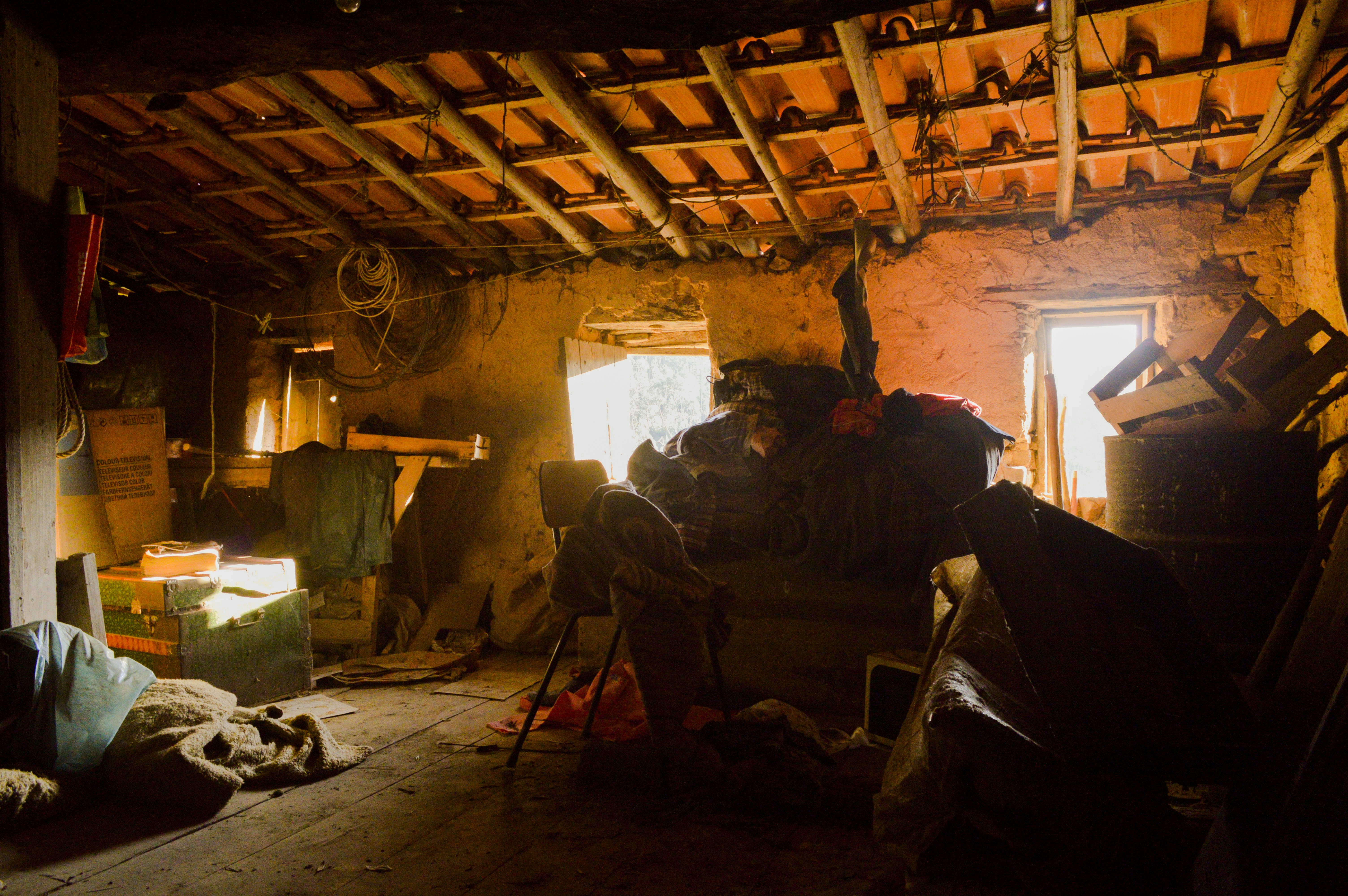
As the sun dipped below the horizon, casting long shadows across the cluttered rooms of the old family home, the protagonist stumbled upon an attic that had long been neglected. It was a dusty space, filled with relics of the past, each item whispering stories of days gone by. Driven by a sense of nostalgia and curiosity, the protagonist cautiously navigated through the cobwebs and boxes, her heart pounding with the thrill of potential discoveries.
In the midst of old furniture and forgotten treasures, an unassuming wooden box caught her attention. The box appeared worn and weathered, suggesting it had not been opened for many years. Upon closer inspection, layers of dust covered its surface, hinting that its contents remained untouched, holding secrets that could unveil a piece of family history. With a gentle touch, the protagonist unlatched the box, her heart racing at the prospect of what lay within. The atmosphere felt thick with anticipation as she lifted the lid.
Inside, she unearthed a collection of letters, yellowed with age, along with a singular document—a forgotten letter that piqued her curiosity even further. The handwriting, elegant yet faded, inspired a whirlwind of questions: Who had penned this note? What stories were woven into its lines? As she carefully unfolded the letter, she felt a connection to her ancestors, wondering what secrets they held, what memories had been lost to time.
This moment marked the beginning of an intriguing journey, racing against the backdrop of her family’s history, fraught with mysteries waiting to be unraveled. The discovery of the dusty box and its forgotten letter would serve as the catalyst for the exploration of buried truths, and the protagonist felt compelled to uncover the story behind these artifacts, realizing that sometimes, the past holds the key to understanding the present.
The Setting: An Attic Full of Memories
The attic, a secluded realm distinct from the hustle and bustle of everyday life, beckons with an air of mystery and nostalgia. As one ascends the creaking wooden stairs, they are met with a dimly lit space that is often enveloped in cobwebs and dust motes dancing in the sunlight streaming through a small window. The atmosphere is heavy with the scent of aged wood and forgotten treasures, evoking a profound sense of history. Here, various relics of the past coexist in a delicate balance, each item telling its own unique story.
Old furniture, covered in sheets of dust, stands guard throughout the attic, their surfaces adorned with memories of family gatherings and milestones long gone. An antique dresser, with its peeling paint and tarnished brass handles, carries the weight of whispered secrets passed down through generations. In a corner rests an iron trunk, its lid slightly ajar, offering a tantalizing glimpse into a world filled with letters, photographs, and trinkets once cherished. The protagonist, navigating through this labyrinth of nostalgia, experiences an overwhelming flood of emotions—curiosity intertwined with bittersweet sorrow. Each step taken brings forth echoes of laughter, tears, and tender moments frozen in time.
As they sift through decades of memories, it becomes apparent that this attic serves as a veritable treasure trove of family history, embodying the lives lived within its confines. Each object reflects not merely the material possessions of those who came before but also their dreams, aspirations, and challenges. The protagonist’s thoughts oscillate between reverence for their ancestors’ journeys and a yearning to grasp the threads that connect them to this cherished lineage. Here, surrounded by shadows and remnants of the past, the attic transforms into a sanctuary of reflection and discovery, unveiling the profound impact of family heritage intertwined with personal identity.
The Letter’s Origin: A Glimpse into the Past
The letter unearthed from the attic holds more than just ink on paper; it serves as a portal to a past that many have long forgotten. Written in the late 19th century, this correspondence is believed to have originated from a wealthy merchant based in a burgeoning industrial town. The merchant, who sought to address personal matters, wrote the letter during a tumultuous time in the nation’s history. Industrialization was rapidly transforming social and economic structures, creating both opportunities and challenges for individuals and families.
During this era, marked by the rise of the working class and the decline of agrarian lifestyles, communication often took on a sentimental tone as people relied on written correspondence to maintain connections with loved ones. This letter, likely penned by a husband to his wife, reflects the emotional landscape of the time—the struggles of managing a family amid the increasing demands of work and societal expectations. Moreover, it can be viewed as a testament to the customs of letter writing, which served as a primary means of sharing thoughts and feelings before the advent of modern technology.
The historical context in which this letter was written is essential for fully appreciating its significance. The late 1800s were characterized by significant social change, including movements for workers’ rights and women’s suffrage. The letter may thus not only reveal personal narratives but also illuminate broader societal issues of the era. In exploring its origins and implications, we gain insight into the lives of individuals and the cultural backdrop they navigated. This forgotten piece of correspondence brings to light the intimate emotions and monumental changes that shaped the past, offering a unique glimpse into a world that has evolved yet remains fundamentally intertwined with our present.
Reading Between the Lines: The Letter’s Content Revealed
The letter discovered in the attic serves as a poignant reminder of a bygone era, capturing the essence of emotions, aspirations, and tribulations that shaped the writer’s life. Its content unfolds a narrative laced with nostalgia and regret, revealing unfolding stories of love, heartache, and resilience. The ink-stained pages, perhaps faded but deeply meaningful, convey messages that resonate across generations, offering insights into the universal human experience.
At the heart of the letter lies a message of reconciliation. The writer expresses a longing for connection, filled with an undertone of sorrow over lost opportunities. References to cherished memories evoke vivid imagery, allowing the reader to visualize the events that formed the backdrop of the author’s life. Phrases steeped in affection articulate a deep-seated yearning for belonging, reflecting the emotional weight carried throughout the years. It becomes evident that this letter serves not only as a private narrative but also as a bridge to understanding the complexities of familial relationships.
The protagonist’s reaction to the correspondence is significant, as it unveils their personal connection to this narrative. Upon reading the letter, feelings of empathy and introspection surge forth, prompting them to reconsider their own experiences and relationships. The protagonist discovers parallels between the writer’s struggles and their own, invoking a sense of shared humanity. This unexpected revelation becomes a transformative moment, encouraging the protagonist to confront their past and re-evaluate their connections within their own family.
This exploration of the letter’s content illuminates not only the writer’s life but also the impact of their words on the present. The emotional resonance and implications of the letter transcend time, leading the protagonist on a path toward healing and understanding, fostering a deeper appreciation for the connections that bind individuals through the tapestry of life.
Unearthing Hidden Family Secrets
The discovery of the old letter in the attic serves as a catalyst for unveiling long-buried family secrets, dramatically shifting the protagonist’s understanding of their heritage. As the contents of the letter unfold, new revelations about familial relationships emerge, revealing complexities that had previously remained hidden. Secrets regarding lineage and past grievances create an intricate web of connections that challenge the protagonist’s perception of their identity and family dynamics.
Among the critical revelations is the existence of a previously unknown relative, which raises questions about loyalty, familial duty, and the definition of family ties. This newfound information brings about a range of emotions, from shock to betrayal. The protagonist grapples with how this hidden truth alters their familial relationships and the trust that had been built over the years. It prompts an exploration of the historical context surrounding these secrets, including societal norms that may have necessitated such concealment.
Furthermore, the letter sheds light on the sacrifices made by ancestors, sacrifices that have shaped the protagonist’s life in ways they had not realized. These discoveries lead to a deeper appreciation of the struggles endured by previous generations. As the protagonist struggles with these revelations, feelings of confusion arise regarding their own place within the family hierarchy. This emotional journey serves to underscore the potential impact of hidden truths on one’s sense of self and belonging. Through confronting these hidden family secrets, the protagonist embarks on a quest for identity, ultimately discovering that understanding one’s past is essential for shaping a meaningful future.
The Quest for Answers: Investigating the Past
As the protagonist delves into the implications of the letter discovered in the attic, a sense of urgency and curiosity sets the stage for an investigative journey that spans generations. The pursuit of truth requires meticulous research, prompting the protagonist to seek out various resources that may shed light on the identities and circumstances surrounding the individuals mentioned in the correspondence.
The initial step in this quest involves seeking interviews with relatives who may hold fragmented memories or forgotten stories about the past. These conversations often yield unexpected insights, creating a tapestry of narratives that enrich the protagonist’s understanding of their lineage. Listening to anecdotes and family lore, the protagonist begins to connect the dots between the letter’s contents and the oral histories imparted by those who lived alongside the subjects of the correspondence.
In addition to personal interviews, the protagonist recognizes the value of exploring local archives, libraries, and historical societies. These institutions often house documents, photographs, and other artifacts that can illuminate the lives of individuals from different eras. Digging through census records, newspapers, and other pertinent publications, the protagonist unearths vital information that not only paints a vivid picture of the past but also contextualizes the contents of the letter within historical events.
The journey unfolds in layers, with each discovery prompting further questions and deeper investigations. The process becomes both an emotional and intellectual exploration, challenging preconceived notions and revealing truths previously shrouded in mystery. With every new piece of information, the protagonist edges closer to the heart of the story, driven by an innate desire for closure and understanding. This investigation ultimately serves as a poignant testament to the importance of preserving familial legacies and the collective memory of our ancestors.
Emotional Resonance: The Impact of Discovery
The discovery of the long-forgotten letter in the attic serves as a pivotal turning point for the protagonist, igniting a profound emotional journey that encompasses themes of forgiveness, closure, and understanding. As they carefully unfold the delicate paper, the weight of family history begins to bear down on them, reshaping their perceptions of both their ancestors and themselves. The emotional resonance evoked by each written word unlocks buried memories and unresolved feelings, fostering a deep connection to their lineage.
Initially, the protagonist is flooded with a mix of curiosity and trepidation. Each sentence reveals secrets that have long been shielded from view, unearthing layers of familial complexities and, in some instances, hardships previously unknown. This process forces them to confront feelings of betrayal and confusion regarding their family’s past. As they read further, however, an unexpected sense of empathy begins to blossom. The acknowledgment of human frailty contained within the letter allows the protagonist to reconsider their judgment and fosters the realization that forgiveness can lead to emotional liberation.
The journey towards understanding is undoubtedly challenging; it requires one to grapple with the uncomfortable realities of their heritage. Nevertheless, it is through this confrontation that the protagonist starts to attain closure. The emotional turbulence they experience acts as a catalyst for personal growth, prompting them to reassess their relationship dynamics and the narratives that have shaped their identity. Recognizing that their family history is a tapestry woven with love, sorrow, pain, and redemption invites them to embrace their past, ultimately leading to a more nuanced understanding of both their familial connections and their own emotional landscape.
Connecting the Past with the Present
In modern society, the significance of familial history often remains understated, yet it plays a pivotal role in shaping our identities. The letter discovered in the attic serves as a tangible connection to the past, unveiling hidden narratives that resonate deeply with the protagonist’s current life. This revelation not only informs personal identity but also influences relationships, decisions, and aspirations. As the protagonist delves into the contents of the letter, a newfound understanding of family dynamics emerges, revealing patterns and legacies that have endured through generations.
The stories conveyed through the letter shed light on struggles and triumphs encountered by ancestors, presenting a rich tapestry of experiences that resonate with contemporary challenges. Each anecdote becomes a lens through which the protagonist can examine their own choices and motivations, fostering a profound sense of belonging and continuity. Such historical narratives imbue current circumstances with context, enabling individuals to navigate their paths with greater awareness.
Moreover, the exploration of these familial ties encourages a dialogue between past and present, allowing the protagonist to reconsider their own life trajectory. When confronted with the trials faced by previous generations, the protagonist gains insight into resilience and adaptability. This connection often cultivates a sense of responsibility, motivating the individual to honor these legacies through their actions and decisions today.
Ultimately, the revelations from the past, as articulated in the letter, serve as a guiding force in defining the protagonist’s identity and aspirations. By understanding how historical familial narratives inform present realities, individuals are empowered to inherit not only the stories but also the values and lessons embedded within them. This intergenerational dialogue promotes a deeper connection to one’s roots, paving the way for a richer, more nuanced understanding of self in a rapidly changing world.
Conclusion
The exploration of the forgotten letter from the attic has provided a poignant lens through which we can view the significance of preserving family history. This journey into the past served not only to unearth the hidden narratives of our ancestors but also highlighted the enduring power of communication across generations. Every letter holds within it stories waiting to be discovered, akin to a time capsule that reveals the emotions, hopes, and experiences of those who came before us.
As we peel back the layers of time, it becomes clear that these artifacts are not mere pieces of paper, but vital links that connect us to our roots. They serve as testament to the lives led and the messages exchanged, encapsulating eras filled with joy, sorrow, and resilience. The lessons gleaned from the forgotten letter illuminate the intrinsic value of family history—encouraging us to engage with our past, acknowledge our heritage, and respect the narratives woven into the fabric of our lives.
Moreover, the letter exemplifies the importance of communication as a powerful tool that transcends time. Written words have the capacity to craft relationships, share knowledge, and aid in understanding the complexities of life. In an ever-evolving world, the act of documenting our thoughts and experiences continues to be relevant, reminding us that our stories contribute to a broader human experience. As we reflect on the journey taken to uncover the letter’s secrets, we embrace the idea that sharing our own narratives can pave the way for future generations to learn from our histories.
In conclusion, the legacy of the letter extends beyond its physical form; it is a call to action for all of us to value and preserve our family stories. By doing so, we honor those who preceded us and ensure that their voices resonate through time, reminding us that every family possesses a rich tapestry of history waiting to be honored and shared.